
Growing Chillies: my top tips for a bumper crop
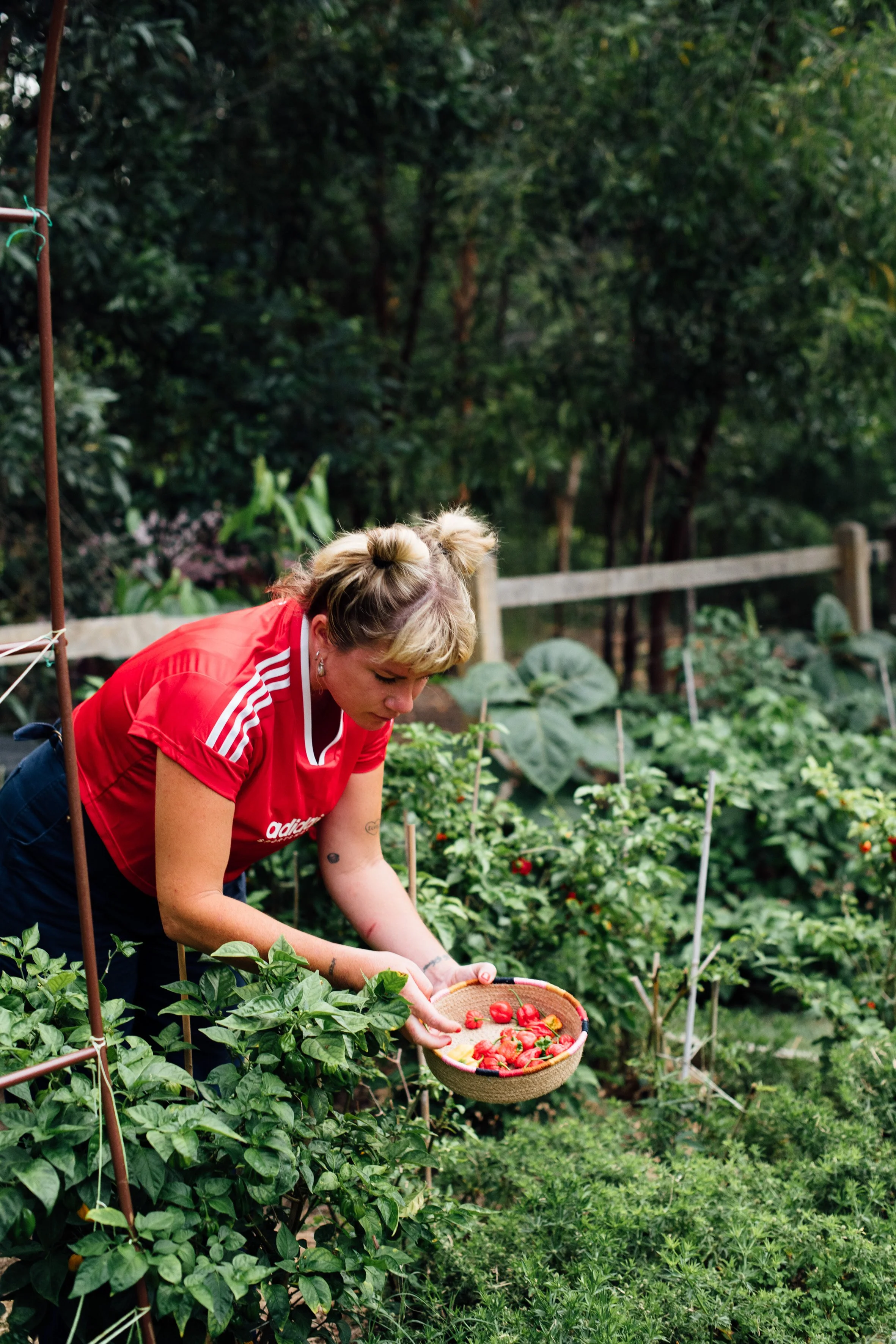
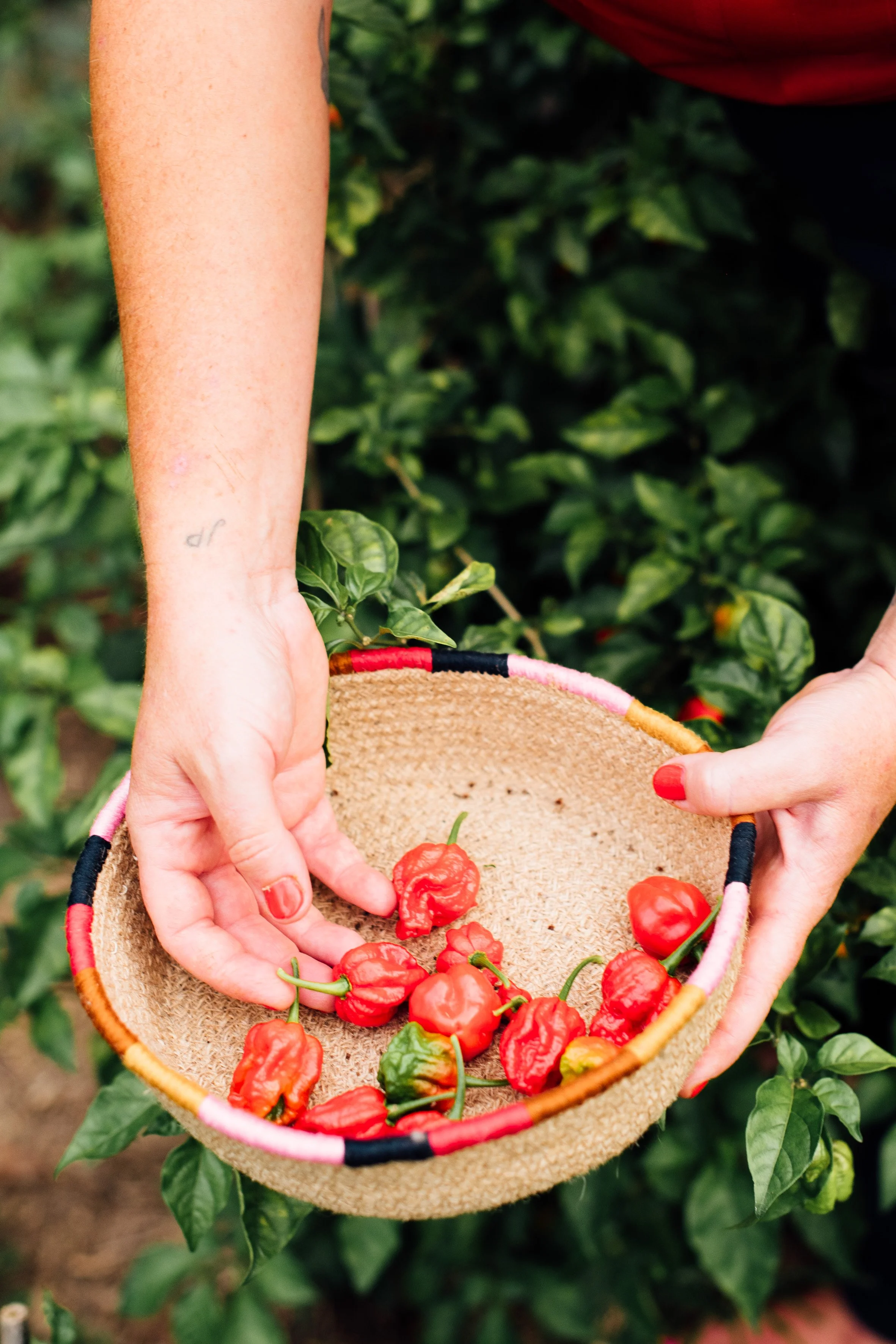
Frequent chilli consumption is linked with a faster metabolism, reduced disease risk and living longer. So here are my tips for growing them in the home garden.
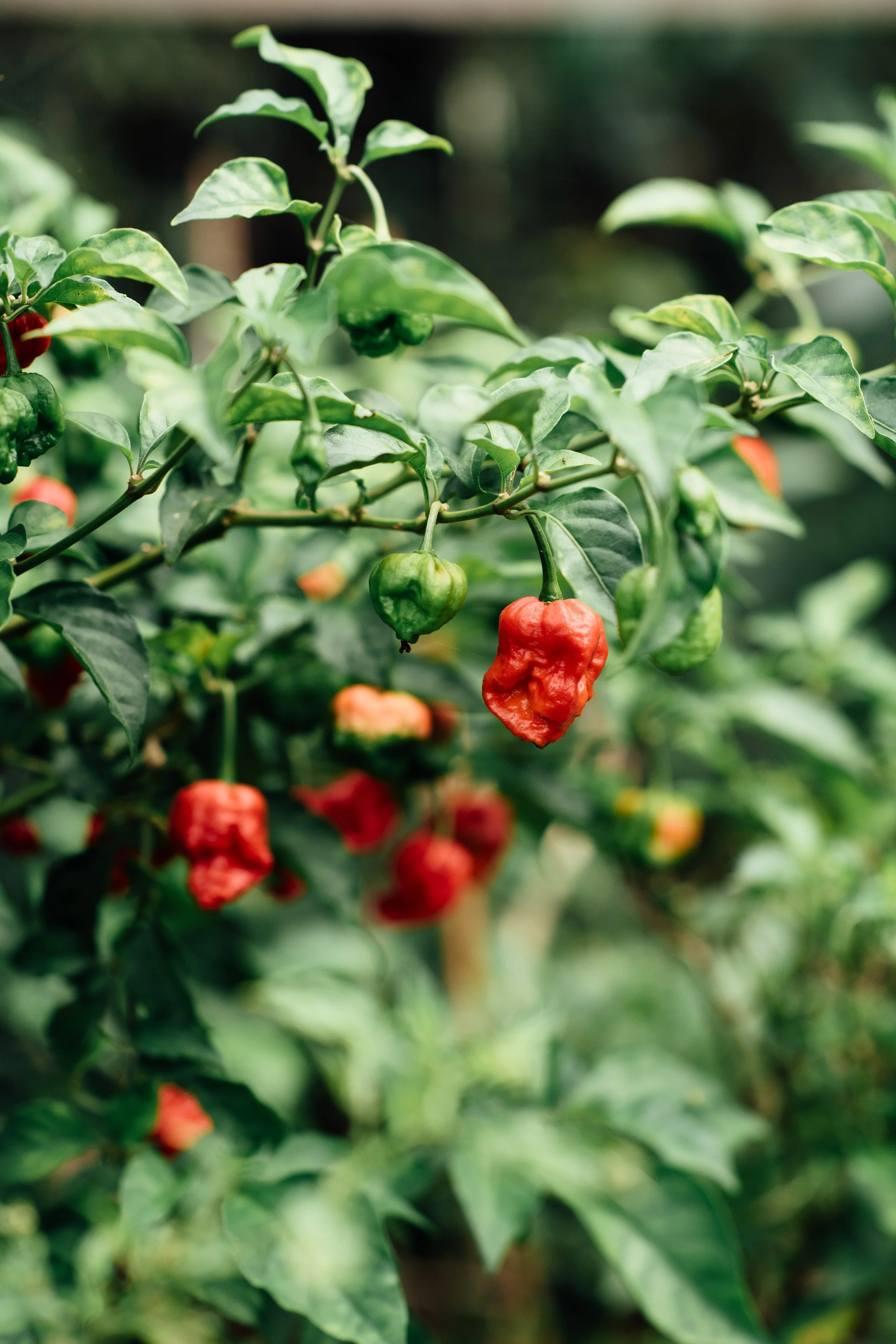
Chillies are such an amazing plant for the home garden, bringing deep green foliage and baubles of bright colour. Attracting bees and beneficial insects too.
A great companion plant for tomatoes and eggplants, treated right they can be a perennial (live for more than 2 years) instead of an annual.
Live in an apartment? No worries: they can be grown in pots on the balcony, and do really well.
According to studies, those who eat chillies nearly every day have a 14% chance of living longer than those who consume them once a week! Regular chilli eaters also reduce their cancer and heart and respiratory disease risk than those who spicy foods infrequently.
According to studies those who eat chillies nearly every day have a 14% chance of living longer and reduce their cancer and heart and disease risk.
Consumption of course can be in the way of our organic, filler-free hot sauce chilli shakers/ salts— but in our house we on occasion love fresh chilli added into our meals for a bit of crunch: on top of bolognaise, in vermicelli noodle salads etc.
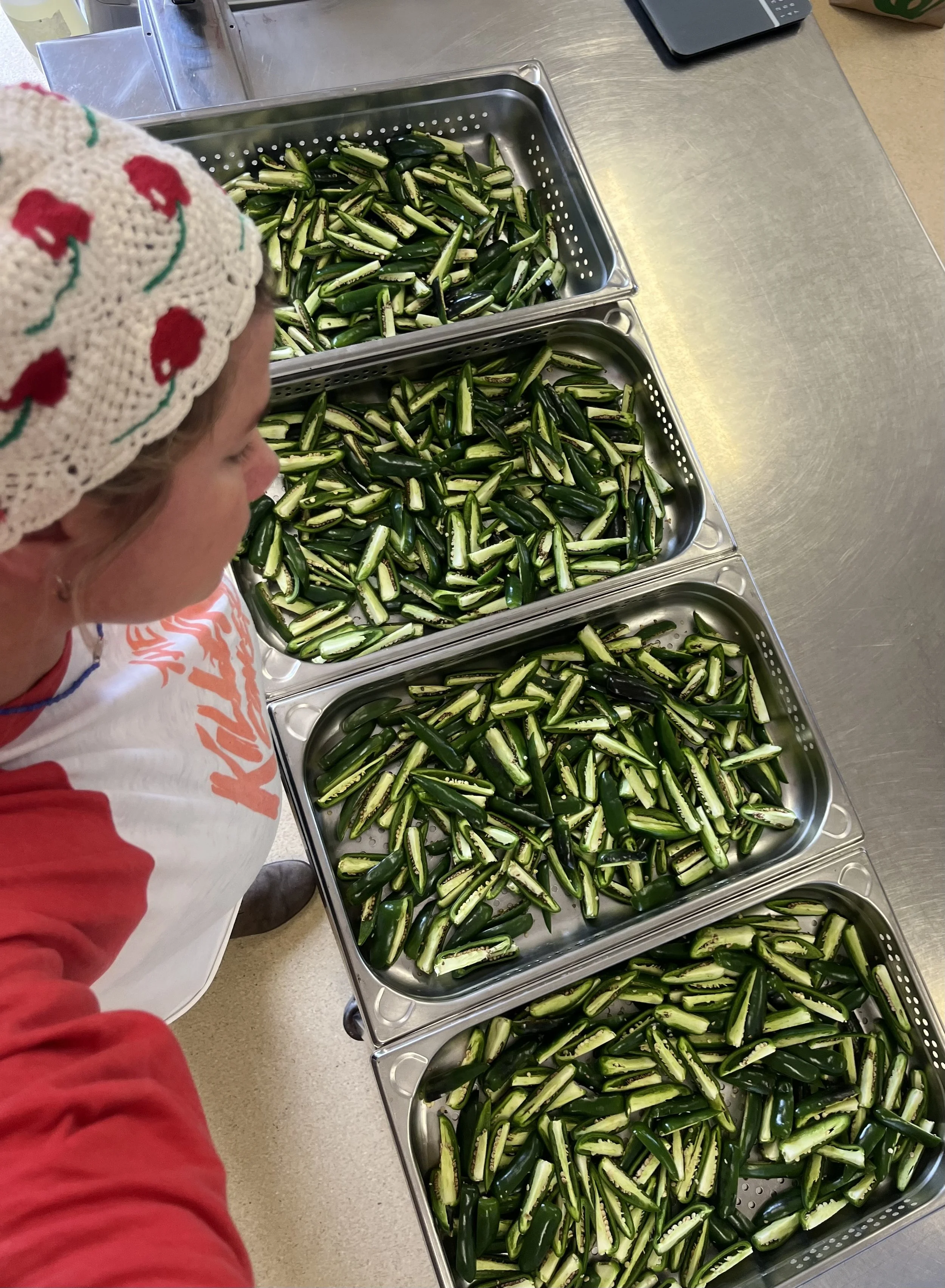
They freeze well to be chopped onto (or grated over) meals all year. And also great for blending to make fresh curry pastes.
As far as plants go, they’re pretty easy and hardy. But also can be a headache: I’ve lost our whole crop twice.
I’ve learnt a heck of a lot from being a self taught chilli farmer. I’m still learning (each year I make a new cock up). But this is the main do’s list from what I’ve learnt.
MY TOP TIPS FOR A BUMPER CROP
1. Grow varieties you’ll actually enjoy —
Moruga Scorpion Arse Breaker Brain Strain (not a real chilli) might sound fun, but chances are you’ll put it on a meal once and then never eat, or want to grow fresh chilli again.
Fresh chillies are potent, if you’re wanting ones for adding to your meals go with flavour with a nice kick.
MY FAVS FOR THE HOME GARDEN:
Habanero: sweet, fruity, tropical, hot heat
Thai Birds Eye’s: fresh, sharp, punchy heat
Serrano: clean, crisp medium heat (similar flav to jalapeño just a little hotter)
2. Test soil pH—
Chillies are hardy and can be grown in most regular garden soil (just with some compost added). However they do like slightly acidic soil between 6 and 7 and it’s important to get that right. Wrong soil pH is like expecting a celiac to thrive on bread.
You can pick up a soil testing kit from most hardwares for between $10-$15. Sounds sciency but it’s super easy and it’s the quickest way to be become a better gardener overnight. The correct pH: less diseases, healthier plants, more fruit.
Soil pH is a relatively easy fix and usually just requires you just mix additives in. A general rule is if your soil is too acidic (pH low) add in agricultural lime, and if it’s too alkaline (pH too high) add lots of compost, mulch, and leaf litter.
I like to check soil pH before planting and every 6 or so months after.
3. Fertilise! —
I fertilise my chilli plants every 2-3 weeks from spring through to winter. Nitrogen rich fertilisers before fruiting, and potassium rich fertilisers after.
These are my fav DIY fertilisers that cost almost nothing. Which can be used all round in the garden.
DIY NITROGEN FERTILISERS
Coffee grounds - steep 2 cups in a bucket of water and use as a liquid feed.
Composted chicken manure
Duck pond water
DIY POTASSIUM FERTILISERS
Kelp - collect from beach, rinse and steep in water for 4-6 weeks
Banana peels + egg shells - 4 banana peels and 3 egg shells dried in sun and blended into a powder. Sprinkle around your plants.
DIY ALL ROUND MICROBE BOOSTER
Worm wee - I love my worm farm almost more than my compost bin! I found mine on marketplace. What comes out of it is pure liquid gold.
4. Don’t overwater —
Watering infrequently encourages hotter and more flavourful fruit. Chillies don’t enjoy wet feet — it can quickly lead to root rot. Even in 35 degree weather I’ll water every other day and use this method to determine whether they need water or not:
Stick my finger in the soil at their base about 1 inch. If the soil feels dry at this depth, it is time to water. If it still feels moist, wait.
5. My 3 non negotiables when planting chillies —
Full sun, good drainage, and plant with compost.
HAPPY GROWING HOT STUFF XX
